Margin
What minimum margin should a TikTok Shop product have?
There is no magic margin that fits every product. A $12 impulse item, a fragile home gadget, and a beauty product with creator samples all need different room. The useful question is simpler: after the normal costs, can the product still pay for testing?
Use a margin floor
For a small seller, thin margin is stressful because every problem becomes urgent. One return, one weak creator, or one expensive ad set can erase the test.
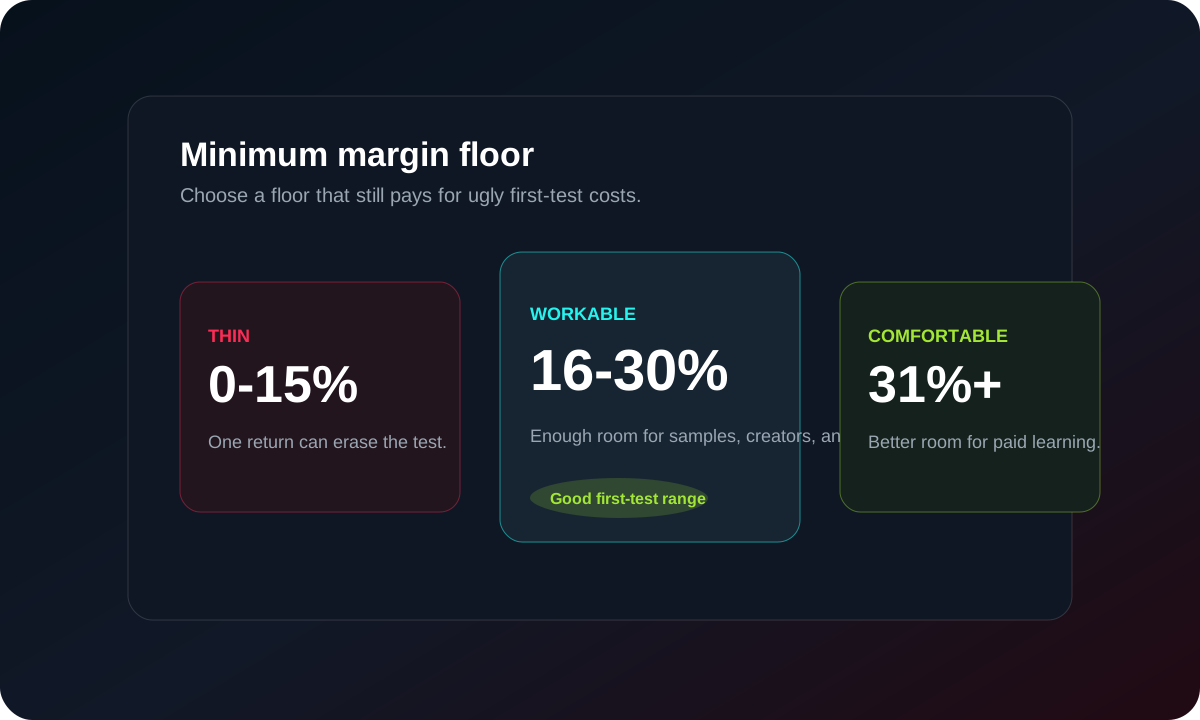
Margin signals
| Margin type | What it feels like | Seller move |
|---|---|---|
| Thin | The product needs everything to go right. | Skip it unless organic demand is unusually strong. |
| Workable | There is room for one or two messy costs. | Run a small test and track the exact assumptions. |
| Comfortable | The product can afford creators, ads, and refunds. | Test more angles before ordering deeply. |
Do not judge margin alone
A high margin product can still fail if it has weak demand, poor content angles, or bad reviews. Margin only says the product has room to breathe. It does not prove people want it.
Video references and margin checks
Margin is only useful if the seller rules and ad assumptions are current. Check the platform sources first, then set your own floor.
Good for seller operations and category context before you decide whether a margin range is workable.
Useful background for cost-plus pricing, perceived value, and margin tradeoffs outside TikTok Shop.
Sources to check before setting a floor
Seller fees, shipping programs, and paid traffic rules should be checked before you decide whether a margin is truly safe.