Guide
TikTok Shop fees and seller fees explained for beginner sellers
A product can look profitable at first glance and still lose money once platform fees, payment fees, creator commission, shipping, ads, packaging, and returns are included. This guide gives you a simple way to think about those costs before testing a product.
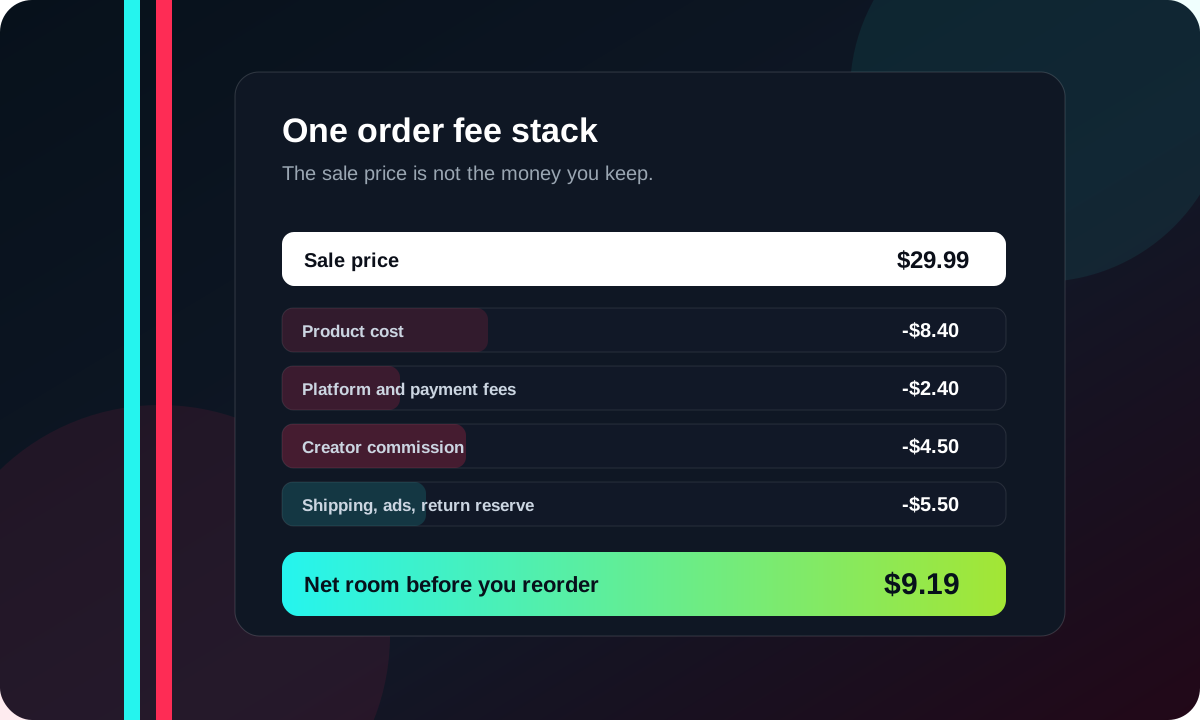
The main cost buckets
| Cost | What to enter | Why it matters |
|---|---|---|
| Product cost | Your landed unit cost | Low cost creates room for ads and commission. |
| Shipping | Fulfillment or seller-paid shipping | Heavy products can lose margin fast. |
| Platform fee | Editable percentage | Fees change, so keep this adjustable. |
| Creator commission | Affiliate percentage | High commission can help sales but cuts margin. |
| Return reserve | Expected return risk | Returns can break thin-margin products. |
Simple profit formula
How to use this
Start with conservative assumptions. If the product still has margin after a realistic creator commission and ad spend estimate, it is worth testing. If the calculator only works with perfect assumptions, skip it or raise the price.
Sources to verify before changing assumptions
Treat every percentage in a calculator as editable. Before launching a product, confirm the live fee, advertising, and disclosure rules in official documentation.
Source-labeled seller references
Use these links to check the current seller and advertising rules before you change the default fee assumptions in your calculator.
Start here when you need current marketplace guidance.
Open Seller AcademyUseful when ad spend per order is part of the margin model.
Open ad help center