Guide
How return rate changes product profit
Returns are easy to ignore in early product math. That is dangerous because returns usually hit the same products that already have thin margins: low-price, fragile, unclear sizing, or high-expectation items.
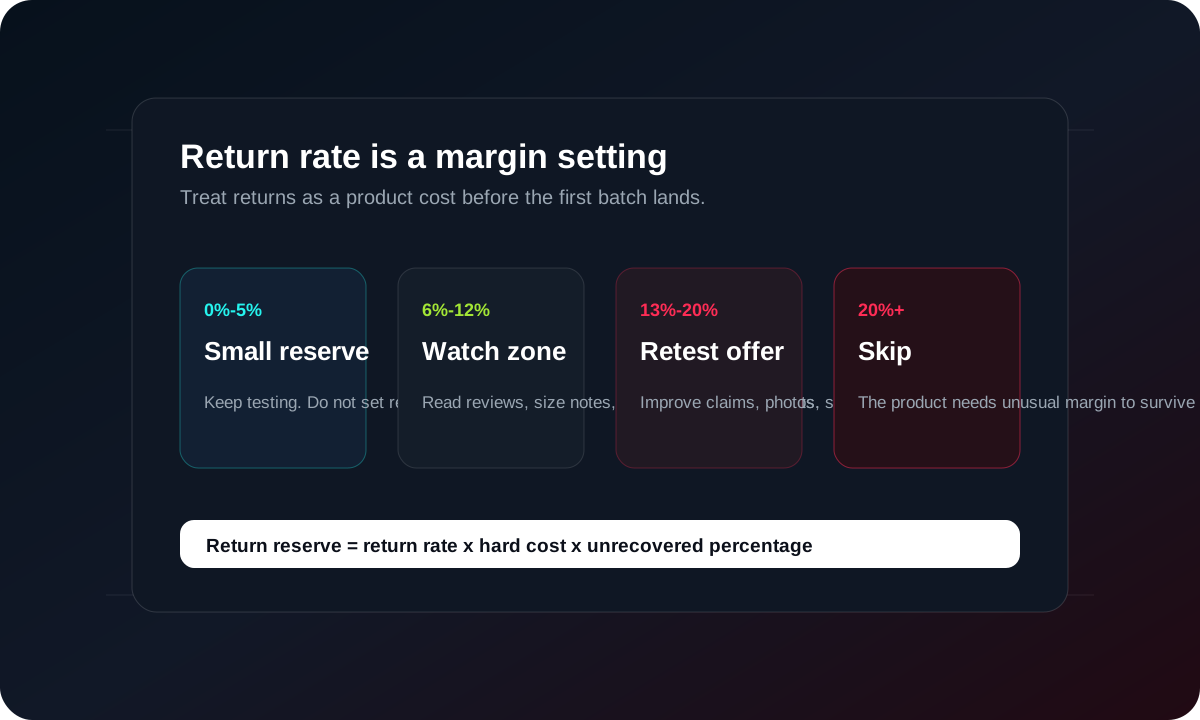
| Return rate | Risk level | What to check |
|---|---|---|
| 0%-5% | Low | Still include a small reserve. |
| 6%-12% | Normal risk | Watch reviews, packaging, and product claims. |
| 13%-20% | High | Retest price, listing, and product quality. |
| 20%+ | Danger | Skip unless margin is unusually strong. |
Use a return reserve
The ShopROAS calculator includes return recovery because some returned units can be resold and some cannot.
Video references and policy checks
Return risk is usually a product expectation problem. Watch platform seller material for listing basics, then check disclosure rules if a creator claim could push buyers toward the wrong expectation.
Useful for quick seller-operation clips and marketplace habits that can affect refunds.
Use this when creators mention results, reviews, or product performance in a way buyers may rely on.
Sources to check before making product claims
Returns often come from mismatched expectations. Check platform seller rules and disclosure guidance before making creator claims that could raise refund risk.