Refund math
Calculate TikTok Shop profit after refunds
A product can look clean on the first calculator pass and still lose money after refunds. The awkward part is that refunds rarely arrive as one neat line item.
One buyer asks for a replacement. Another keeps the product but gets a partial refund. A third sends it back after you already paid for traffic. You need a refund reserve before the first order, not after the first bad week.
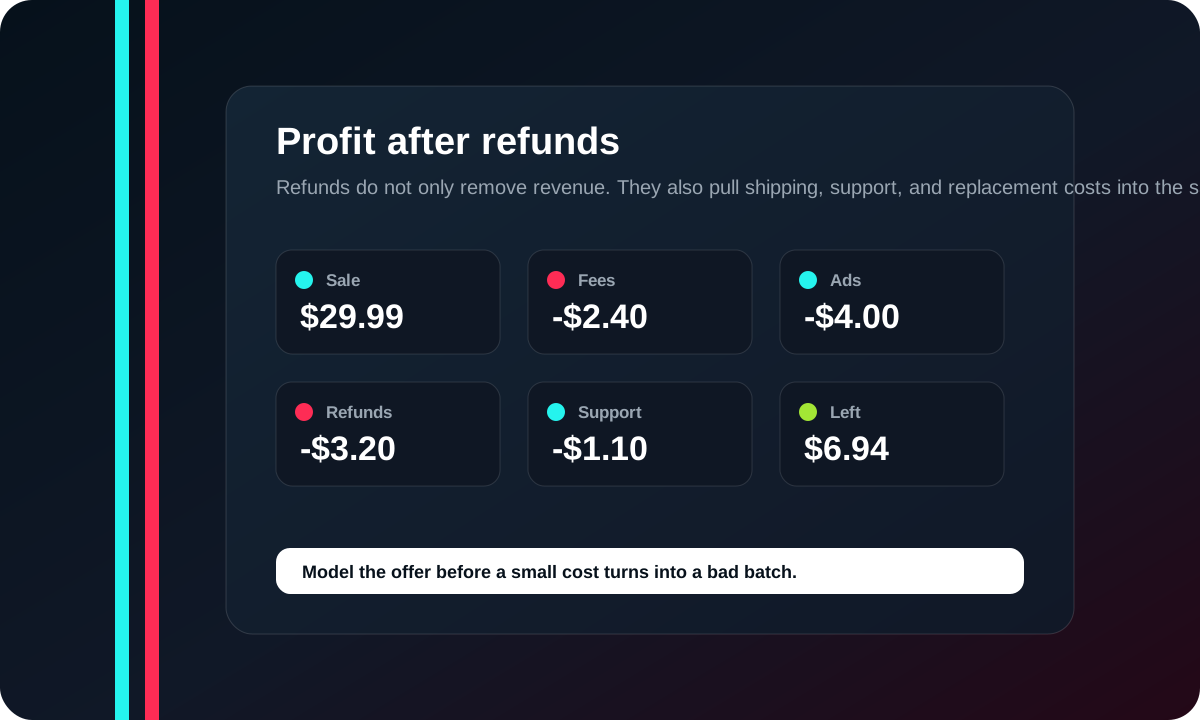
Use this formula first
Start with the reason, not the refund count
A 10% refund rate means different things depending on why people refund. Damaged packaging is a logistics problem. Wrong size is a product page problem. A buyer saying "not as shown" is a content and expectation problem.
Do not lump them together. Put the reason beside the cost. That gives you something to fix.
Build a small reserve into every order
For a first test, I like a blunt reserve. If the product is fragile, size dependent, or hard to explain, set aside more. If it is simple and cheap to replace, you can start lower.
The goal is not perfect accounting. The goal is to stop a product from pretending it has more margin than it really has.
Quick table
| Refund rate | What it means | Seller move |
|---|---|---|
| 5% | Usually workable if the margin is healthy. | Keep watching reasons. Do not ignore repeated complaints. |
| 10% | The product needs a real reserve. | Check quality, sizing, instructions, and packaging before scaling. |
| 20% | The product may be a margin trap. | Pause paid ads until the return reason is fixed. |
Seller notes
- Track refund reasons in plain language, not just counts.
- Separate full refunds, partial refunds, and replacement orders.
- Stop scaling ads if refund reasons repeat for the same product issue.
Run your numbers
Replace the example assumptions with your supplier quote, packed shipping cost, creator plan, and first ad budget. If the product only works with perfect assumptions, it is too early to scale.
Source notes
References to check
The visual above is original to ShopROAS. The links below point to platform and policy references worth checking before you spend money.
Check seller education, order handling, and policy notes before setting the test budget.
Source: ads TikTok Business Help CenterUse this before turning a product test into paid traffic.
Source: pricing Shopify product pricing guideHelpful for checking whether the price leaves room for delivery, discounts, and acquisition cost.
Source: disclosure FTC endorsement guidanceReview before asking creators to post, review, or demonstrate sample products.